
The Comprehensive Guide to Cannabis: Benefits, Uses, and Facts You Should Know
Cannabis has become a topic of growing interest and debate worldwide. With changing laws and increasing research, many people want to understand what cannabis really is, how it works, and what benefits or risks it might bring. This guide will walk you through the essential facts about cannabis, its uses, and the science behind it, helping you make informed decisions or simply satisfy your curiosity.

What Is Cannabis?
Cannabis is a plant that has been used for thousands of years for various purposes, including medicine, recreation, and industry. The plant contains many chemical compounds called cannabinoids, with the two most well-known being THC (tetrahydrocannabinol) and CBD (cannabidiol).
THC is the compound responsible for the psychoactive effects, or the "high," that many associate with cannabis.
CBD does not cause intoxication but is studied for its potential therapeutic effects.
Cannabis plants come in different strains, often categorized as Indica, Sativa, or hybrids. Each strain can have different effects, flavors, and uses.
How Cannabis Works in the Body
Cannabis interacts with the body's endocannabinoid system (ECS), a complex network that helps regulate functions like mood, pain, appetite, and sleep. The cannabinoids in cannabis bind to receptors in this system, influencing these processes.
CB1 receptors are mostly found in the brain and nervous system.
CB2 receptors are more common in the immune system.
This interaction explains why cannabis can affect mood, pain sensation, and inflammation.
Medical Benefits of Cannabis
Research on cannabis has expanded rapidly, revealing several potential medical benefits. While more studies are needed, some uses have strong evidence:
Pain relief: Cannabis can reduce chronic pain, especially neuropathic pain, which is difficult to treat with other medications.
Reducing inflammation: CBD has anti-inflammatory properties that may help conditions like arthritis.
Managing anxiety and depression: Some people find relief from anxiety symptoms using cannabis, though effects vary.
Controlling seizures: Certain cannabis-derived medications have been approved to treat epilepsy.
Improving sleep: Cannabis may help people with insomnia or other sleep disorders.
Doctors often recommend cannabis as part of a broader treatment plan, and patients should consult healthcare professionals before use.
Common Ways People Use Cannabis
Cannabis can be consumed in many forms, each with different effects and onset times:
Smoking or vaping: Effects appear quickly but last a few hours.
Edibles: Foods infused with cannabis take longer to kick in but provide longer-lasting effects.
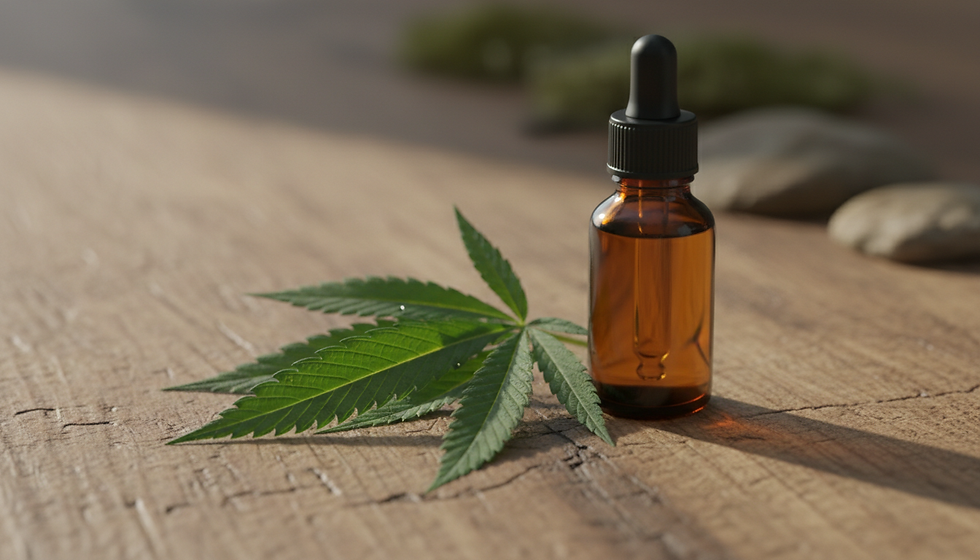
Tinctures and oils: These can be taken under the tongue for faster absorption.
Topicals: Creams or balms applied to the skin for localized relief without psychoactive effects.
Choosing the right method depends on personal preference, desired effects, and medical needs.
Legal Status and Safety Considerations
The legal status of cannabis varies widely around the world and even within countries. Some places allow recreational use, others only medical use, and some prohibit it entirely. It is crucial to understand local laws before obtaining or using cannabis.
Safety is another important factor:
Avoid driving or operating machinery while under the influence.
Start with low doses, especially with edibles, to prevent unpleasant effects.
Be aware of potential interactions with other medications.
Keep cannabis products out of reach of children and pets.
The Future of Cannabis Research
Scientists continue to explore cannabis for new medical applications and better understanding of its effects. Areas of interest include:
Using cannabinoids and understanding how it helps cancer symptoms and side effects.
Developing non-psychoactive cannabis products for wider use.
Studying long-term effects on mental health.
Improving cultivation techniques for higher quality and consistency.
As research progresses, regulations and public opinion may evolve further.
None of the statements have been reviewed by the Food and Drug Administration. Cannabis is not designed to diagnose, treat, cure, or prevent any disease.
Marijuana and Marijuana Product Disclaimer
Marijuana is a Schedule 1 Controlled Substance under the Controlled Substance Act (21 U.S.C. 802) (“CSA”) and the cultivation, distribution, and possession of marijuana is a crime under federal law. Keep all marijuana and marijuana products out of reach of children and animals. Intoxicating effects of marijuana and marijuana products may be delayed up to two (2) hours. Use of marijuana while pregnant or breastfeeding may be harmful. Consumption of marijuana and marijuana products impairs your ability to drive and operate machinery, please use extreme caution.
WARNING: Consuming Cannabis products exposes you to carcinogens including beta-Myrcene, and during pregnancy exposes your child to delta-9-THC, which can affect your child's behavior and learning ability. For more information go to www.P65Warnings.ca.gov/cannabis


Comments